
Temperate Forest Brochure
Temperate Forest Brochure - See below info on ordering. Temperate rainforests have fertile soil. A forest is a biological community that is dominated by trees and other woody vegetation. Temperate forests grow between 25° and 50° latitude in both hemispheres and are primarily found in parts of north america, asia, and europe. Do all temperate forest trees lose their leaves in winter?. You will be designing a travel brochure to talk people into taking a trip to a biome of your choice. They provide oxygen, store carbon, and offer habitats for many species. From towering trees to delicate ferns, you’ll learn about the amazing diversity and resilience of temperate forest plants. These forests are characterized by their mixture of deciduous. Check with nature centers, campgrounds and other facilities for specific hours. More than 250 species of trees can be found throughout the forests of illinois. Recognize the variety of animal species that inhabit temperate forests, including. They provide oxygen, store carbon, and offer habitats for many species. Check with nature centers, campgrounds and other facilities for specific hours. Forest preserves are open every day from sunrise to sunset. The temperate deciduous forest biome of north america occupies most of the eastern part of the united states and a small strip of southern ontario and quebec. See below info on ordering. These forests are characterized by their mixture of deciduous. You will be designing a travel brochure to talk people into taking a trip to a biome of your choice. There are 168 topographic maps covering the mark twain national forest. Temperate rainforests have lots of rainfall (sometimes up to 200 inches a year!) but also have cool, moist air in the form of ocean fog keeping things wet. • comprehend that temperate forests exist not only in some of our own backyards, but also in parts of europe and asia, and in scattered patches in south america, africa, and australia.. Forest preserves are open every day from sunrise to sunset. Recognize the variety of animal species that inhabit temperate forests, including. From towering trees to delicate ferns, you’ll learn about the amazing diversity and resilience of temperate forest plants. Do all temperate forest trees lose their leaves in winter?. Temperate rainforests have fertile soil. Temperate forests grow between 25° and 50° latitude in both hemispheres and are primarily found in parts of north america, asia, and europe. Do all temperate forest trees lose their leaves in winter?. These forests are characterized by their mixture of deciduous. Temperate rainforests have fertile soil. Explore sustainable practices, reforestation initiatives, and the role of temperate forests in climate. You will be designing a travel brochure to talk people into taking a trip to a biome of your choice. They provide oxygen, store carbon, and offer habitats for many species. Identify and describe the four distinct seasons in temperate forests and their impact on the ecosystem. Explore sustainable practices, reforestation initiatives, and the role of temperate forests in climate. A forest is a biological community that is dominated by trees and other woody vegetation. Students will select a temperate forest biome to research with this engaging. Temperate forests are a type of forest ecosystem found in regions with moderate temperatures and ample rainfall. See below info on ordering. Temperate rainforests have fertile soil. A forest is a biological community that is dominated by trees and other woody vegetation. See below info on ordering. • comprehend that temperate forests exist not only in some of our own backyards, but also in parts of europe and asia, and in scattered patches in south america, africa, and australia. Temperate forests grow between 25° and 50° latitude. Check with nature centers, campgrounds and other facilities for specific hours. Temperate rainforests have fertile soil. Temperate forests grow between 25° and 50° latitude in both hemispheres and are primarily found in parts of north america, asia, and europe. Explore sustainable practices, reforestation initiatives, and the role of temperate forests in climate regulation, carbon sequestration, and wildlife preservation. • comprehend. Temperate rainforests have fertile soil. Temperate forests grow between 25° and 50° latitude in both hemispheres and are primarily found in parts of north america, asia, and europe. There are 168 topographic maps covering the mark twain national forest. Temperate forests are a type of forest ecosystem found in regions with moderate temperatures and ample rainfall. Temperate deciduous forests are. They provide oxygen, store carbon, and offer habitats for many species. • comprehend that temperate forests exist not only in some of our own backyards, but also in parts of europe and asia, and in scattered patches in south america, africa, and australia. More than 250 species of trees can be found throughout the forests of illinois. Temperate deciduous forests. The temperate deciduous forest biome of north america occupies most of the eastern part of the united states and a small strip of southern ontario and quebec. 1) circle the time biome that the. They provide oxygen, store carbon, and offer habitats for many species. Temperate rainforests have lots of rainfall (sometimes up to 200 inches a year!) but also. More than 250 species of trees can be found throughout the forests of illinois. Temperate forests grow between 25° and 50° latitude in both hemispheres and are primarily found in parts of north america, asia, and europe. From towering trees to delicate ferns, you’ll learn about the amazing diversity and resilience of temperate forest plants. Do all temperate forest trees lose their leaves in winter?. The temperate deciduous forest biome of north america occupies most of the eastern part of the united states and a small strip of southern ontario and quebec. Recognize the variety of animal species that inhabit temperate forests, including. Temperate rainforests have fertile soil. Students will select a temperate forest biome to research with this engaging. Identify and describe the four distinct seasons in temperate forests and their impact on the ecosystem. There are 168 topographic maps covering the mark twain national forest. Temperate forests are a type of forest ecosystem found in regions with moderate temperatures and ample rainfall. • comprehend that temperate forests exist not only in some of our own backyards, but also in parts of europe and asia, and in scattered patches in south america, africa, and australia. See below info on ordering. They provide oxygen, store carbon, and offer habitats for many species. Temperate rainforests have lots of rainfall (sometimes up to 200 inches a year!) but also have cool, moist air in the form of ocean fog keeping things wet. Explore sustainable practices, reforestation initiatives, and the role of temperate forests in climate regulation, carbon sequestration, and wildlife preservation.
Eco Brochure. Forest Flyer. Nature Poster Template. Vector illustration
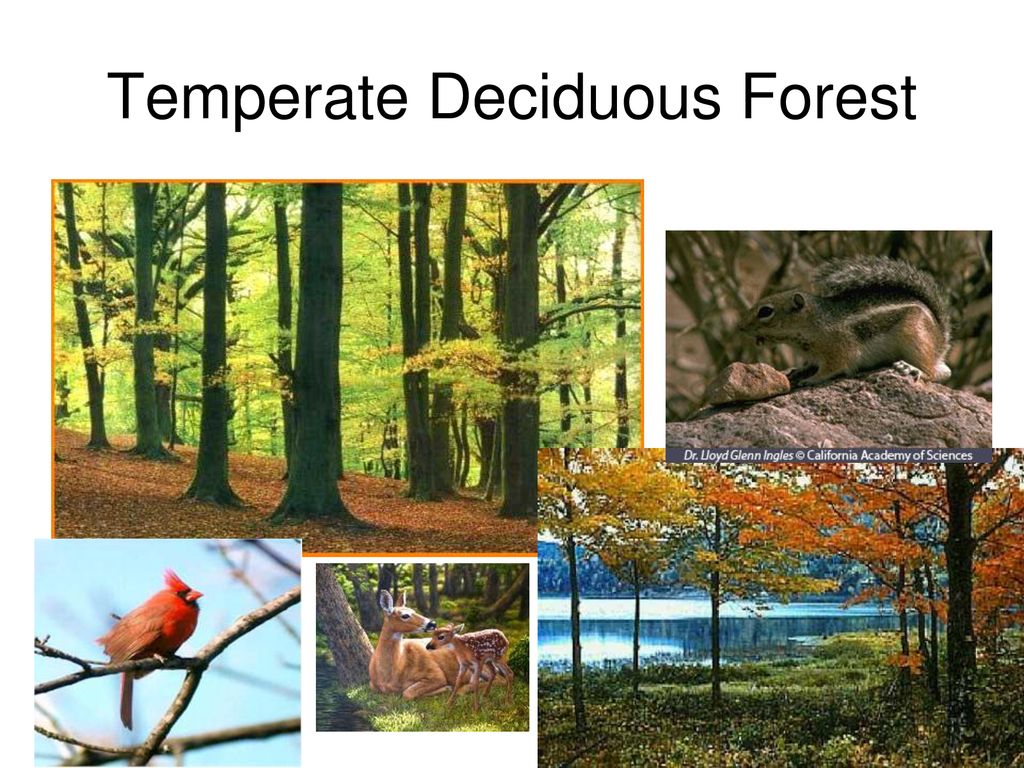
Biomes of the World Objective To learn the characteristics that make

Daydream Education Bosques tropicales Pósters de

35,463 Forest brochure Images, Stock Photos & Vectors Shutterstock
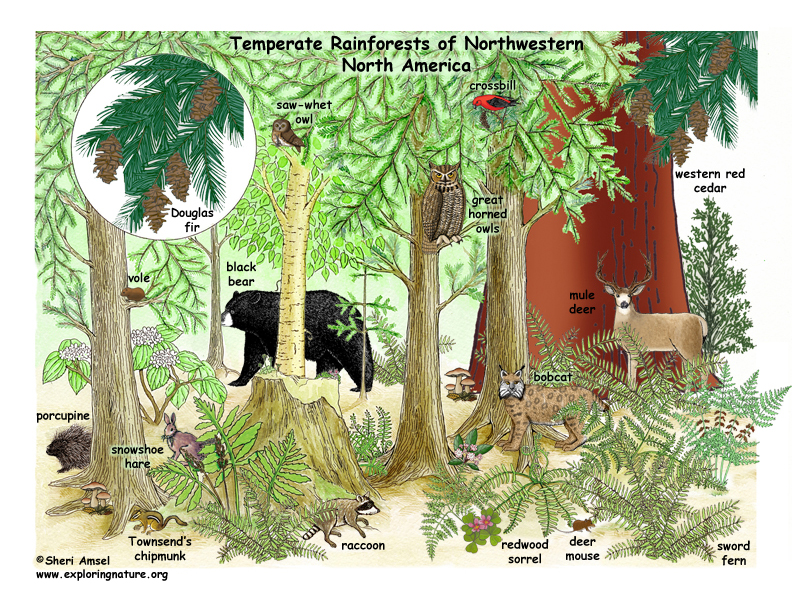
Temperate Rainforests
Forest brochure infographic Royalty Free Vector Image
Hannah's Temperate Broadleaf Forest Brochure Forests Trees
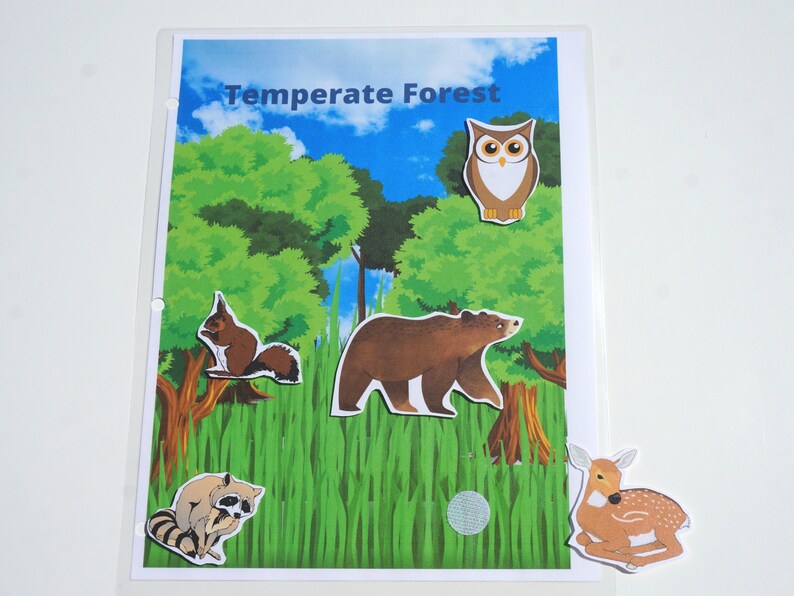
Temperate Forest Printable Matching Activity for Preschool Learning
Forest brochure infographic Stock Vector Image & Art Alamy

Temperate Forest Discover Pictures and Facts About The Temperate
Temperate Deciduous Forests Are Vital For Our Planet.
Understanding These Forests Helps Us Appreciate.
You Will Be Designing A Travel Brochure To Talk People Into Taking A Trip To A Biome Of Your Choice.
1) Circle The Time Biome That The.
Related Post:
