
Diverticulitis Brochure
Diverticulitis Brochure - Diverticulitis may be diagnosed when a patient has pain and tenderness in the lower abdomen with disturbed bowel functions and fever. There are two types of diverticular disease—diverticulosis and diverticulitis. Diverticulosis and diverticulitis are also called diverticular disease. Most people with diverticulosis do not have any discomfort or symptoms. Diverticulitis is a disorder that can cause belly pain, fever, and problems with bowel movements. People with diverticulitis typically have pain. The food we eat travels from the stomach through a long tube called the intestine. Most people with diverticulosis do not have any discomfort or symptoms. A diverticulitis diet is a temporary measure to give your digestive system a chance to rest. Diverticulosis and diverticulitis are also called diverticular disease. A diet low in fiber may help reduce gi discomfort during flares of diverticulitis by reducing frequency of stools. Diverticulitis occurs in less than 5 out of 100 people who have diverticulosis. While a diet high in fiber may help prevent diverticulosis and thus diverticulitis; A diverticulitis diet is a temporary measure to give your digestive system a chance to rest. People with diverticulitis typically have pain. Eating a high fiber diet is your key to preventing future outbreaks of diverticulitis. The diverticulitis diet is recommended for individuals experiencing diverticulitis symptoms, pain, or inflammation. Diverticulitis occurs in less than 5 out of 100 people who have diverticulosis. There are two types of diverticular disease—diverticulosis and diverticulitis. Diverticulosis and diverticulitis are also called diverticular disease. Eating a high fiber diet is your key to preventing future outbreaks of diverticulitis. Diverticulitis occurs in less than 5 out of 100 people who have diverticulosis. While a diet high in fiber may help prevent diverticulosis and thus diverticulitis; How common are these disorders? Diverticulosis develops over time when extra pressure from hard stools or straining from constipation causes. When you have diverticulitis you may have tenderness or pain in the left lower part of your abdomen. The diverticulitis diet is recommended for individuals experiencing diverticulitis symptoms, pain, or inflammation. Oral intake is usually reduced until bleeding and diarrhea subside. The food we eat travels from the stomach through a long tube called the intestine. Diverticulosis and diverticulitis are. Diverticulitis is an inflammatory condition of the colon that is thought to be caused by perforation of one of the individual sacs. There might be an increase in diarrhea, cramping, and bowel irritability, and symptoms can include intense. The food we eat travels from the stomach through a long tube called the. People with diverticulitis typically have pain. But, if. The food we eat travels from the stomach through a long tube called the intestine. Diverticulitis is inflammation of one or a few diverticula in the colon. Causes • diverticula usually develop when naturally weak places in your colon. People with diverticulitis typically have pain. A diverticulitis diet is a temporary measure to give your digestive system a chance to. How common are these disorders? Diverticulitis is a disorder that can cause belly pain, fever, and problems with bowel movements. Eating a high fiber diet is your key to preventing future outbreaks of diverticulitis. While a diet high in fiber may help prevent diverticulosis and thus diverticulitis; Diverticulosis develops over time when extra pressure from hard stools or straining from. Diverticular disease and diverticulitis are digestive conditions that afect the large intestine (colon), causing tummy (abdominal) pain and other symptoms. The diverticulitis diet is recommended for individuals experiencing diverticulitis symptoms, pain, or inflammation. There are two types of diverticular disease—diverticulosis and diverticulitis. Most people with diverticulosis do not have any discomfort or symptoms. Diverticular disease is when small. Diverticulitis can cause severe fever, abdominal pain, nausea and a noticeable change in your bowel habits. The us institute of medicine (iom) of the national academy of sciences has set dietary reference intakes. When you have diverticulitis you may have tenderness or pain in the left lower part of your abdomen. Diverticulosis and diverticulitis are also called diverticular disease. You. Diverticular disease and diverticulitis are digestive conditions that afect the large intestine (colon), causing tummy (abdominal) pain and other symptoms. Diverticulosis and diverticulitis are also called diverticular disease. You can decrease your chances of. Eating a high fiber diet is your key to preventing future outbreaks of diverticulitis. If you have an infection or a blockage, you may have a. Diverticulitis is inflammation of one or a few diverticula in the colon. Diverticulitis may be diagnosed when a patient has pain and tenderness in the lower abdomen with disturbed bowel functions and fever. There are two types of diverticular disease—diverticulosis and diverticulitis. A diverticulitis diet is a temporary measure to give your digestive system a chance to rest. If you. Diverticular disease is when small. Includes recipes for breakfast, lunch,, and dinner. Diverticulitis is a disorder that can cause belly pain, fever, and problems with bowel movements. Diverticulitis is an inflammatory condition of the colon that is thought to be caused by perforation of one of the individual sacs. There are two types of diverticular disease—diverticulosis and diverticulitis. Diverticulitis occurs in less than 5 out of 100 people who have diverticulosis. Diverticular disease and diverticulitis are digestive conditions that afect the large intestine (colon), causing tummy (abdominal) pain and other symptoms. Diverticulitis can cause severe fever, abdominal pain, nausea and a noticeable change in your bowel habits. A diverticulitis diet is a temporary measure to give your digestive system a chance to rest. Most people with diverticulosis do not have any discomfort or symptoms. Diverticulitis is inflammation of one or a few diverticula in the colon. It also plays a significant role in preventing the progression. Diverticulitis is a disorder that can cause belly pain, fever, and problems with bowel movements. Diverticulitis occurs in less than 5 out of 100 people who have diverticulosis. Causes • diverticula usually develop when naturally weak places in your colon. How common are these disorders? While a diet high in fiber may help prevent diverticulosis and thus diverticulitis; Diverticulitis is inflammation of one or a few diverticula in the colon. Diverticulitis is an inflammatory condition of the colon that is thought to be caused by perforation of one of the individual sacs. Oral intake is usually reduced until bleeding and diarrhea subside. When you have diverticulitis you may have tenderness or pain in the left lower part of your abdomen.Diverticular Disease Case Study PDF Urinary Tract Infection
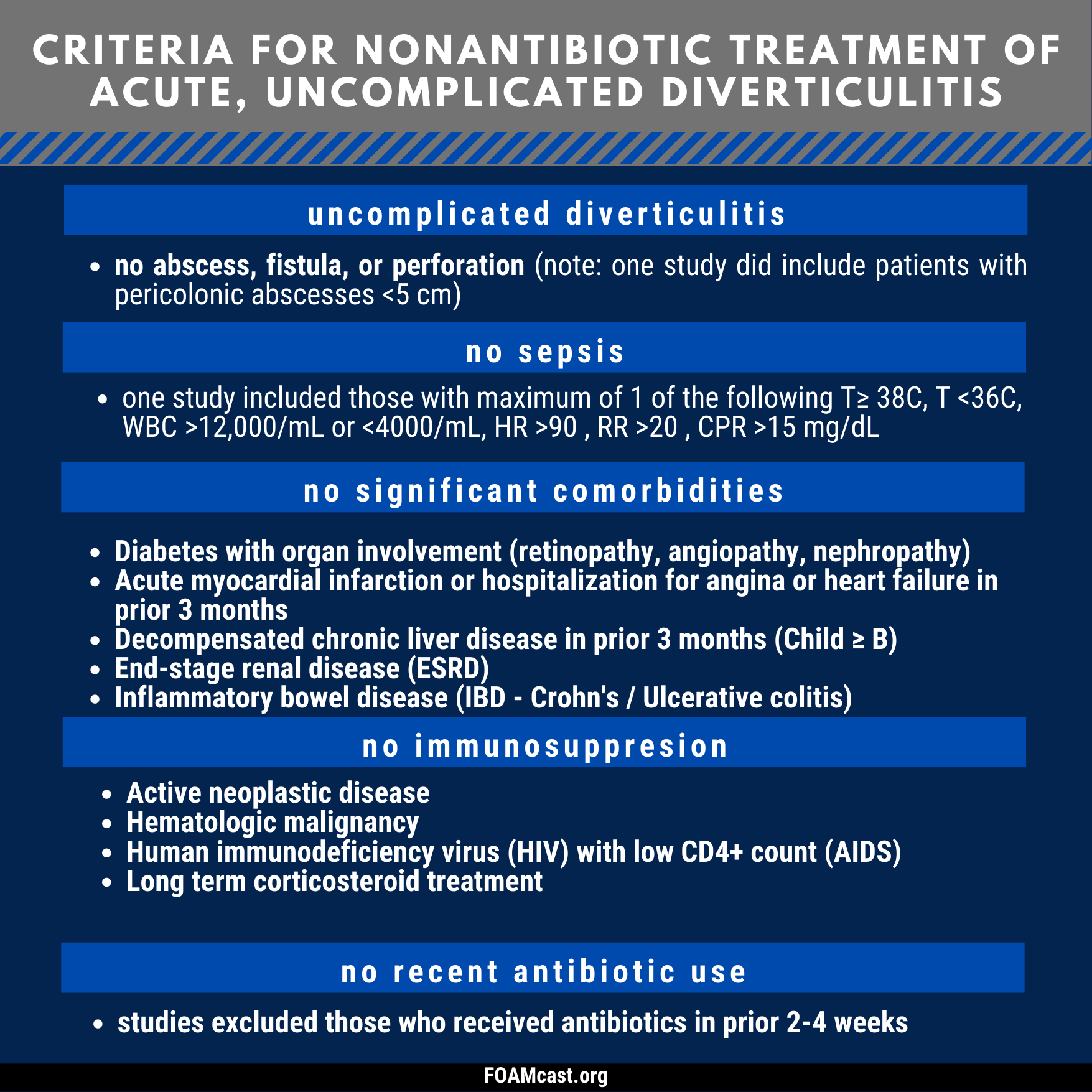
divertic FOAMcast
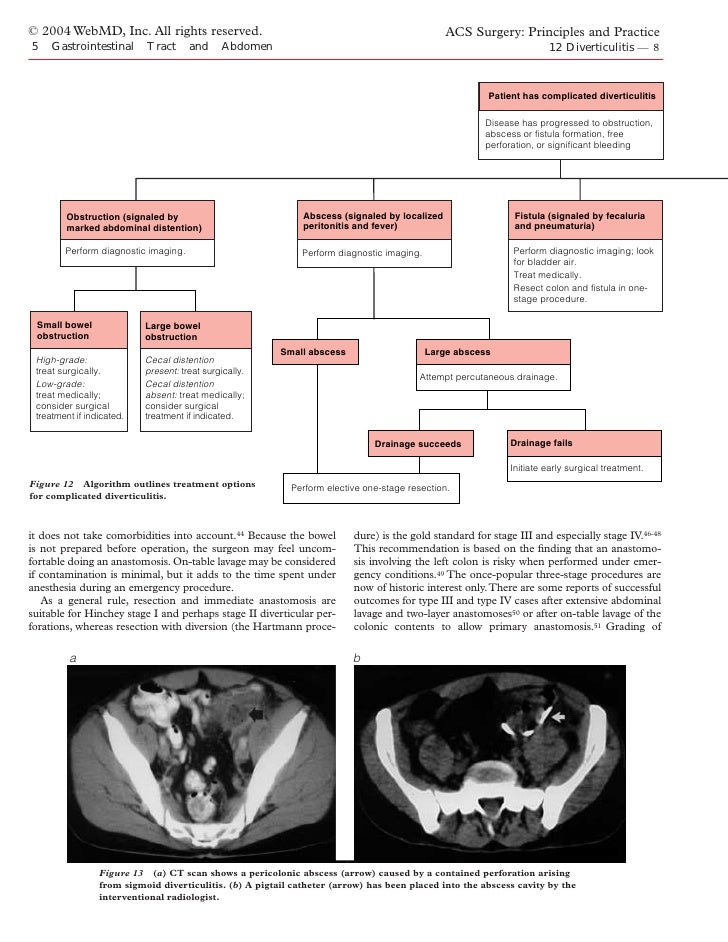
Acs0512 Diverticulitis 2004

Diverticulitis Causes, Symptoms, Treatment and Care. Philadelphia

Information Sheets Queensland Gastroenterology

Pt. Ed. Brochure Extra stuff Diverticulitis What is Diverticulits

Diverticulosis and diverticulitis Diverticulitis, Infographic health

Diverticulitis Diagnosis and Treatment Nova Science Publishers

Diverticulitis Causes, Symptoms, And Treatments Dr. Deetlefs CPT

Diverticulitis Symptoms 101 What is Diverticulitis, Causes, Symptoms
But, If You Have Severe Diverticulitis, Your Doctor May Tell You To Get A Colonoscopy Four To Six Weeks After Your Symptoms.
Includes Recipes For Breakfast, Lunch,, And Dinner.
The Us Institute Of Medicine (Iom) Of The National Academy Of Sciences Has Set Dietary Reference Intakes.
There Are Two Types Of Diverticular Disease—Diverticulosis And Diverticulitis.
Related Post:
